
Pattern forming · white area

EPS Shape Molding Machine

An EPS shape molding machine forms expanded foam beads into expendable patterns for lost foam casting. The right arrangement depends on pattern geometry, mold construction, feeding, cooling, access, and production rhythm.

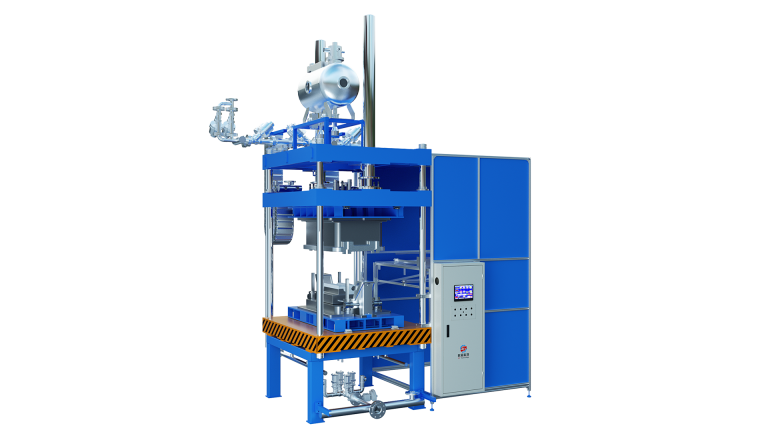
OC Technology vertical hydraulic EPS shape molding machine
Vertical hydraulic EPS shape molding equipment configured around the pattern, mold, utilities, and production plan.
Page focus

Choose the machine around the pattern and mold.

Vertical and horizontal arrangements solve different access and handling needs. A model number alone cannot show whether the mold can be loaded, connected, cooled, released, and maintained in the available space.

The first review covers drawings, material, pattern dimensions and weight, mold details, utilities, operator access, and downstream drying. Controls and feeding are then tied to that application.

Working brief
  • 01Pattern drawing, material, dimensions, weight, and critical surfaces
  • 02Mold size, weight, connection points, and changeover method
  • 03Feeding zones, vacuum, cooling, drainage, and utilities
  • 04Target shifts, handling route, and factory footprint
01

Vertical and horizontal configurations

A vertical arrangement can suit molds that benefit from upright opening and access. A horizontal arrangement changes how the mold opens, how inserts are handled, and how the operator approaches the working area.

The decision should come from mold drawings and the production route. One orientation is not automatically faster or better.

02

Controls, feeding, and repeatable setup

Available configurations can include PLC operation, recipe storage, pressurized feeding, and multi-point or zoned feeding arrangements. Remote service functions may be configured where plant access and support policy allow.

The project offer lists the control package, safety circuit, feeding hardware, and data access. Cycle or tolerance figures are tied to an agreed pattern, material, mold, and test condition.

03

Cooling and vacuum interfaces

Cooling affects demolding condition and the pace at which patterns move downstream. Vacuum, water, compressed air, and drainage connections need a common layout and utility schedule.

A central vacuum arrangement can be reviewed when several machines share demand. Required duty, redundancy, condenser arrangement, and drainage remain project-specific.

Common questions

Questions buyers often raise early.

Is a vertical or horizontal machine better?

Neither is automatically better. Pattern geometry, mold weight, insert handling, access, workshop height, and material flow determine the practical choice.

Can existing molds be used?

Possibly. Dimensions, mounting, steam and cooling connections, feeding points, ejectors, weight, and opening direction must be checked before an adaptation is confirmed.

What performance data belongs in the quotation?

The offer should state the working envelope, utilities, controls, interfaces, and acceptance basis. Output should be tied to an agreed pattern, material, mold, and test condition.

Project discussion

Bring the line conditions, not just a machine name.

Share the casting type, target output, available utilities and current process. That makes the first technical review more useful.

Form delivery is provided by Web3Forms. Submitted details are forwarded to the OC Technology inquiry mailbox.