
Pattern conditioning · white and yellow areas

Lost Foam Pattern Drying Room

A lost foam pattern drying room creates a controlled space for conditioning molded patterns or drying refractory-coated clusters. The layout should match the load, climate, racks, and line schedule.

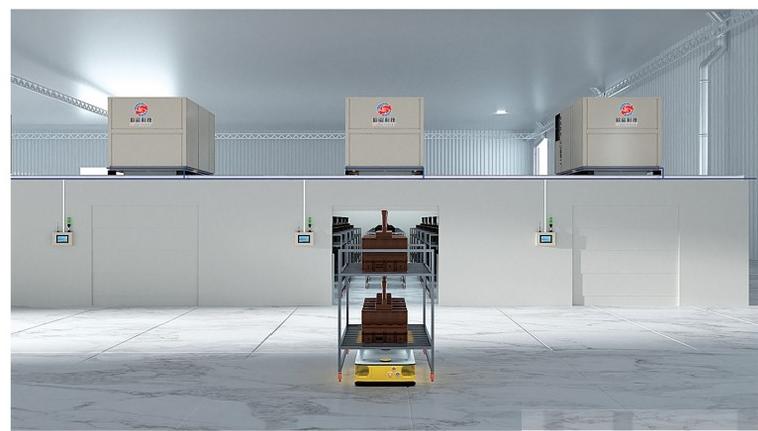
Industrial drying room installation for lost foam patterns
Industrial drying room for lost foam patterns, with airflow and equipment layout configured for the project.
Page focus

Treat the room and dryer as one working system.

A heat-pump unit cannot be selected from room area alone. Pattern material, coating stage, moisture load, door openings, insulation, outdoor conditions, spacing, and turnaround all affect the result.

OC Technology offers top-mounted, rear-mounted, and indoor arrangements. The useful choice fits room construction, service access, airflow, and the production plan.

Working brief
  • 01White patterns, coated clusters, or separate loads
  • 02Room dimensions, insulation, doors, racks, and equipment space
  • 03Batch load, starting condition, end condition, and schedule
  • 04Local temperature and humidity across the operating season
01

Top, rear, and indoor arrangements

A top-mounted unit can preserve floor area but needs suitable structure and service access. A rear-mounted unit keeps equipment outside the room, while an indoor arrangement may suit simpler duct routes.

Air supply, return path, condensate handling, maintenance clearance, and rack placement still need to be designed as one system.

02

Airflow and humidity matter as much as heat

Tight pattern spacing can create uneven air paths. Frequent door opening, poor return-air placement, and an overloaded room can produce different conditions within one batch.

The review covers circulation, dehumidification, heat recovery options, sensors, and control points. Final temperature, humidity, load, and time values are confirmed from the application.

03

Keep the two drying duties clear

Molded white patterns and refractory-coated clusters do not create the same drying load. Coating, application thickness, drainage, cluster geometry, and spacing add variables.

The quotation should state which load the room is designed for. Energy, time, or moisture claims require an agreed test condition.

Common questions

Questions buyers often raise early.

Can one room handle white and coated patterns?

It may be possible, but loads and recipes need separate review. Coating moisture, spacing, contamination control, and scheduling can make dedicated rooms more practical.

Which location uses the least floor space?

A top-mounted unit usually keeps more equipment off the floor, but structure, roof clearance, service access, duct routing, and lifting must support it.

What data is needed for sizing?

Provide room dimensions, insulation, doors, climate, rack layout, batch load, product details, starting and target conditions, and the required schedule.

Project discussion

Bring the line conditions, not just a machine name.

Share the casting type, target output, available utilities and current process. That makes the first technical review more useful.

Form delivery is provided by Web3Forms. Submitted details are forwarded to the OC Technology inquiry mailbox.